Gerakofolia Villa logo

Lefkada

Stay in Nikiana and explore Lefkada from Gerakofolia Villa.

From Gerakofolia Villa, Lefkada opens up as more than a beach escape: white cliffs, traditional villages, monasteries, museums, and easy day routes all sit within reach of the east coast, together with a history that begins in antiquity and still shapes the island's churches, settlements, and viewpoints.

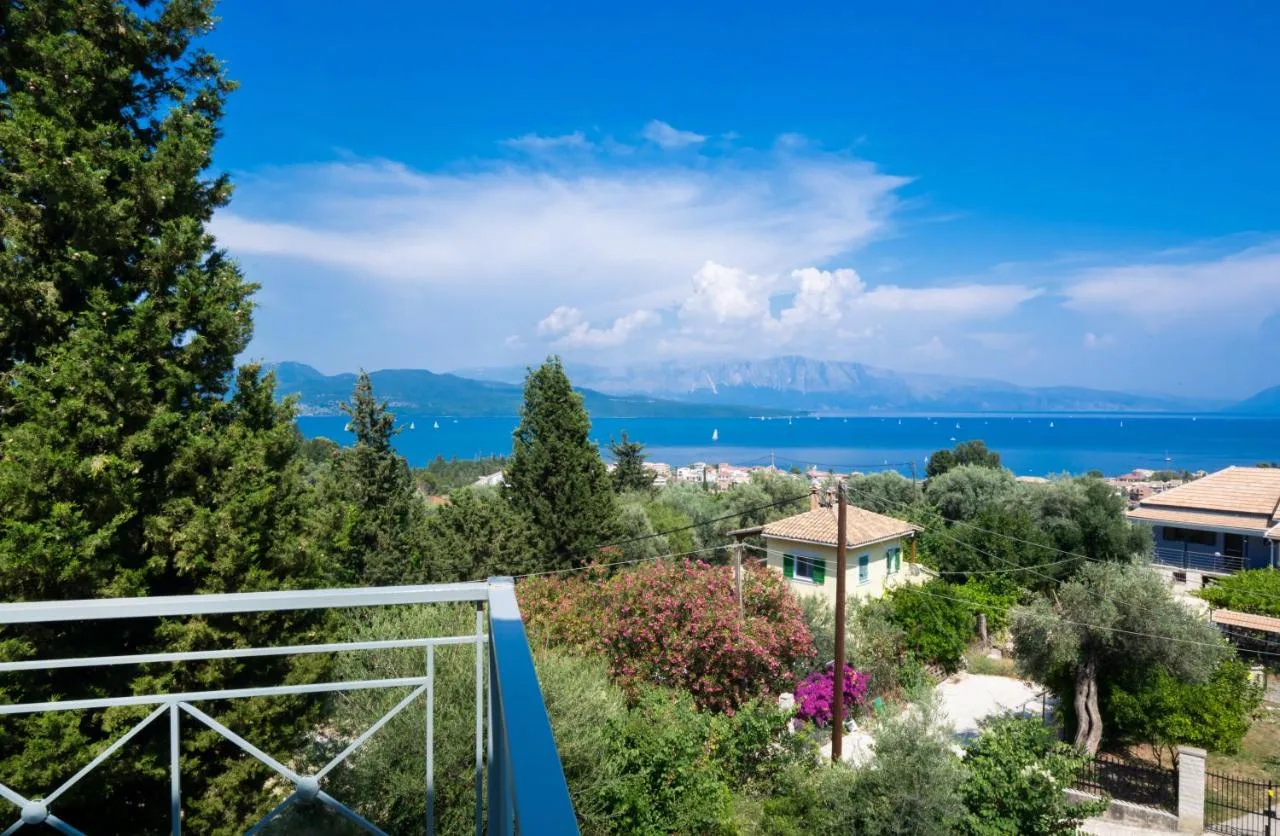
View from the villa across the wider Lefkada landscape

Island identity

An Ionian island with depth beyond the shoreline.

Lefkada takes its name from the white cliffs at Cape Lefkatas and carries layers of history from antiquity to the present day. Its strategic position brought different rulers and influences, with the Venetian period leaving one of the strongest marks on architecture, trade, and culture.

According to tradition, the ancient city was established by Corinthians and developed into an important naval and trading power. Later, the island moved through Byzantine, Frankish, Ottoman, and western European control before following the wider Ionian route into modern Greece.

Today the island combines natural beauty, cultural heritage, and modern visitor infrastructure, with the practical advantage of road access by bridge rather than ferry.

Beaches bring you in. The rest of the island keeps you moving.

Identity

History and character

Lefkada is known for dramatic beaches, white cliffs, and a long history that stretches from the Corinthian settlement of the 7th century BC through Venetian, Ottoman, French, and British rule before joining Greece in 1864.

Landmarks

Beaches and viewpoints

Porto Katsiki, Egremni, Kathisma, and Cape Lefkatas shape the island's most iconic landscapes. Egremni stands out for its dramatic view from above, while Cape Lefkatas combines historical symbolism with one of the Ionian's most memorable sunsets.

Villages

Places worth a stop

Nydri brings lively evenings and boat departures, Vasiliki is a hub for windsurfing, Karya keeps a traditional village rhythm, and Agios Nikitas links a charming settlement with beautiful beaches.

Tradition

Monasteries and churches

Faneromeni Monastery is the island's best-known religious site, while the Monastery of the Holy Fathers offers a quieter stop in nature. In Lefkada Town, churches such as Eisodia Theotokou, Agios Minas, and Pantokratoras show how Orthodox tradition meets western architectural influence.

Culture

Museums and heritage

The Archaeological Museum, the Folk Museum of Karya, and the Angelos Sikelianos Museum add context to the island's culture, alongside musical traditions, festivals, local celebrations, and literary references linked to figures such as Aristotelis Valaoritis.

Experience

Nature and activity

Boat trips to nearby islets, hiking routes, watersports, and tastings of local products and cuisine make Lefkada more than a beach destination. It is easy to reach by bridge, without a ferry.

Historical route

Antiquity, Venice, and the Ionian Islands in one story.

Lefkada is more than a destination for summer views. The island carries a sequence of historical layers, and that sequence helps explain why its townscape, culture, and identity feel unusually complex for a compact island.

Within that reading, Cape Lefkatas works not only as a geographic marker but also as a place tied in myth to Sappho, adding one more layer of meaning to the island's southern edge.

Antiquity

From Corinth to the Ionian Sea

According to tradition, Lefkada was established by Corinthians in the 7th century BC and grew into an important naval and trading power. Its name comes from the white cliffs at the southern edge, Cape Lefkatas, a place also tied in myth to the figure of Sappho.

Middle Ages

Strategic position and successive rulers

During the Byzantine and medieval periods, Lefkada held strategic importance because of its position. Franks, Venetians, and Ottomans all left marks on the island's architecture, culture, and everyday life.

Venetian rule

The period that shaped the town

Venetian control from 1684 to 1797 was the island's most defining era. Lefkada was fortified, trade expanded, and the arts were strengthened, with traces of that period still visible in Lefkada Town and in the character of many buildings.

Modern era

From transitions to union with Greece

After the fall of Venice came French rule, Russo-Ottoman administration, and British protection. In 1864, Lefkada finally joined Greece together with the rest of the Ionian Islands.

Deeper Stops

Religious, cultural, and experiential points of reference.

A fuller view of Lefkada also passes through its sacred spaces, museums, and quieter experiences that sit alongside the beaches and villages rather than beneath them.

Its cultural identity does not stop at named sites: it also lives in music, festivals, local celebrations, customs, and traditional architecture that still carries visible Venetian influence.

Faneromeni

The island's main religious landmark

Faneromeni Monastery stands on a hill with panoramic views and remains Lefkada's most recognizable religious site. Panagia Faneromeni is regarded as the island's protector, the monastery's roots reach back at least to the 17th century, and the setting combines tradition, nature, a small ecclesiastical museum, and a small zoo.

Holy Fathers

A quieter stop with ascetic character

The Monastery of the Holy Fathers is less known but especially peaceful. Set in nature and linked to the island's ascetic tradition, it works as a slower counterpoint to the beach and the movement of the town.

Culture

Museums, literature, and local identity

The Archaeological Museum of Lefkada sheds light on the island's ancient history, the Folk Museum of Karya presents traditional life and local craft, and the Angelos Sikelianos Museum strengthens the literary dimension of the island's identity. Together they sit within a wider cultural continuity associated with both Sikelianos and Aristotelis Valaoritis.

Experiences

The island beyond the beaches

Boat trips to nearby islets, hiking, watersports with a special focus on Vasiliki, and tastings of local products and cuisine round out a fuller picture of Lefkada for travelers who want more than a swim stop.

One-day route

History, sea, and sunset in a single day.

If you only have one full day on the island, the suggested route is simple: start with Lefkada Town and Faneromeni, choose one main beach, and leave enough time for the southern sunset.

Distances on Lefkada are manageable, but the roads can be winding, so the day works best when you keep the beach stop focused and avoid overloading the route with too many extra detours.

If you only have one day, the most balanced version of the route is still Faneromeni, one main beach, and a final stop for sunset at Cape Lefkatas.

Morning

Lefkada Town and Faneromeni

Ideally start between 08:30 and 10:00 in Lefkada Town with a walk through the old streets, coffee in the main square, and stops along the central pedestrian street at churches including Eisodia Theotokou, Agios Minas, and Pantokratoras. Then head uphill to Faneromeni and allow about an hour for the monastery, the grounds, and panoramic island views.

Midday

Sea time on the west coast

Head to the west coast for a swim at Kathisma Beach and lunch at a seaside taverna. If you want a more dramatic setting, Porto Katsiki is the stronger scenic option, while Egremni remains one of the island's most striking viewpoints and beach settings.

Afternoon

A quieter monastery stop

Visit the Monastery of the Holy Fathers for a calmer hour in nature. It works well after the beach, especially if you want a slower and more reflective part of the day.

Evening

Sunset at Cape Lefkatas

Finish at Cape Lefkatas for one of the island's most memorable sunsets, then return to Lefkada Town or Nydri for dinner by the sea and an easy evening walk.